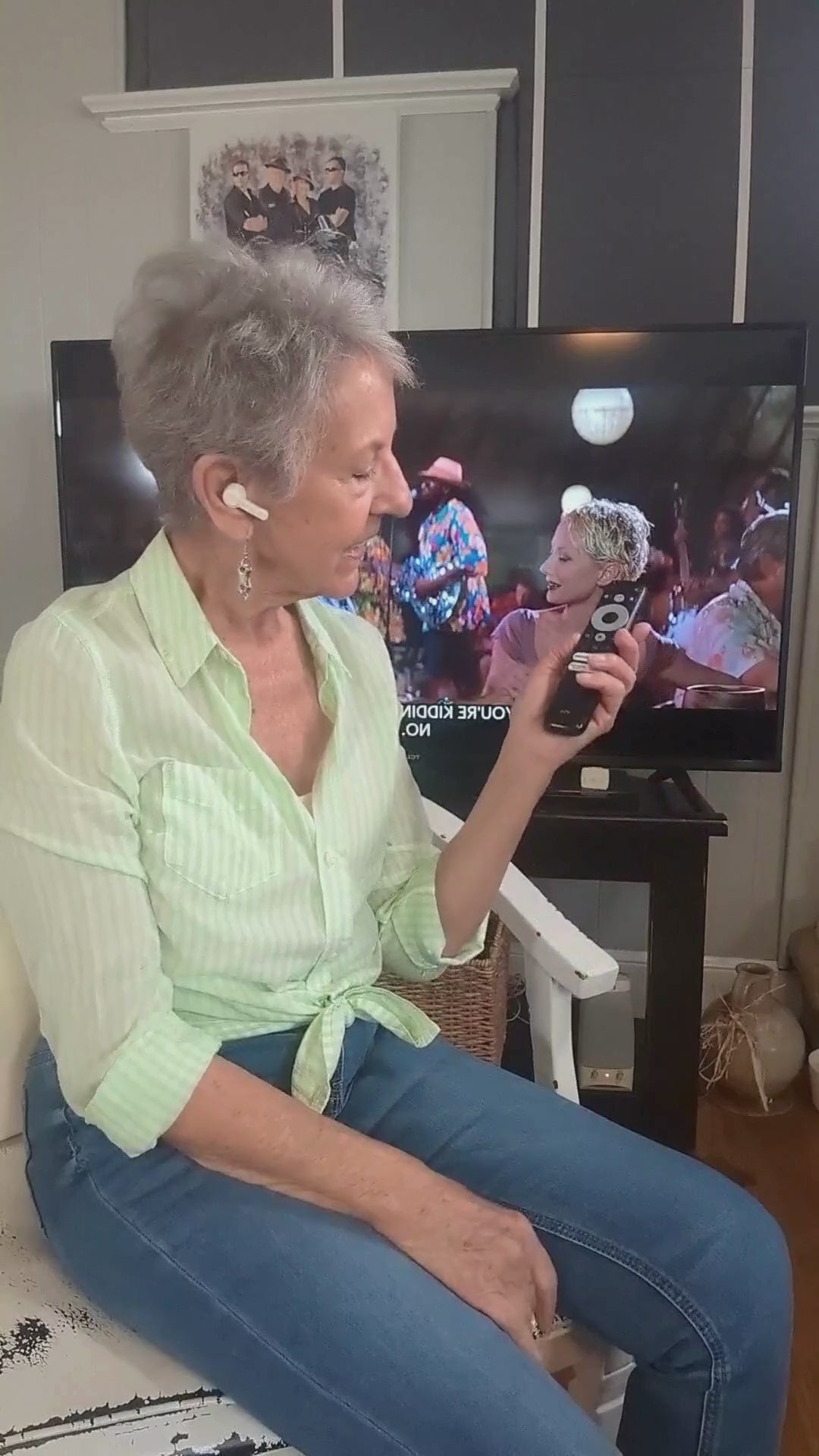
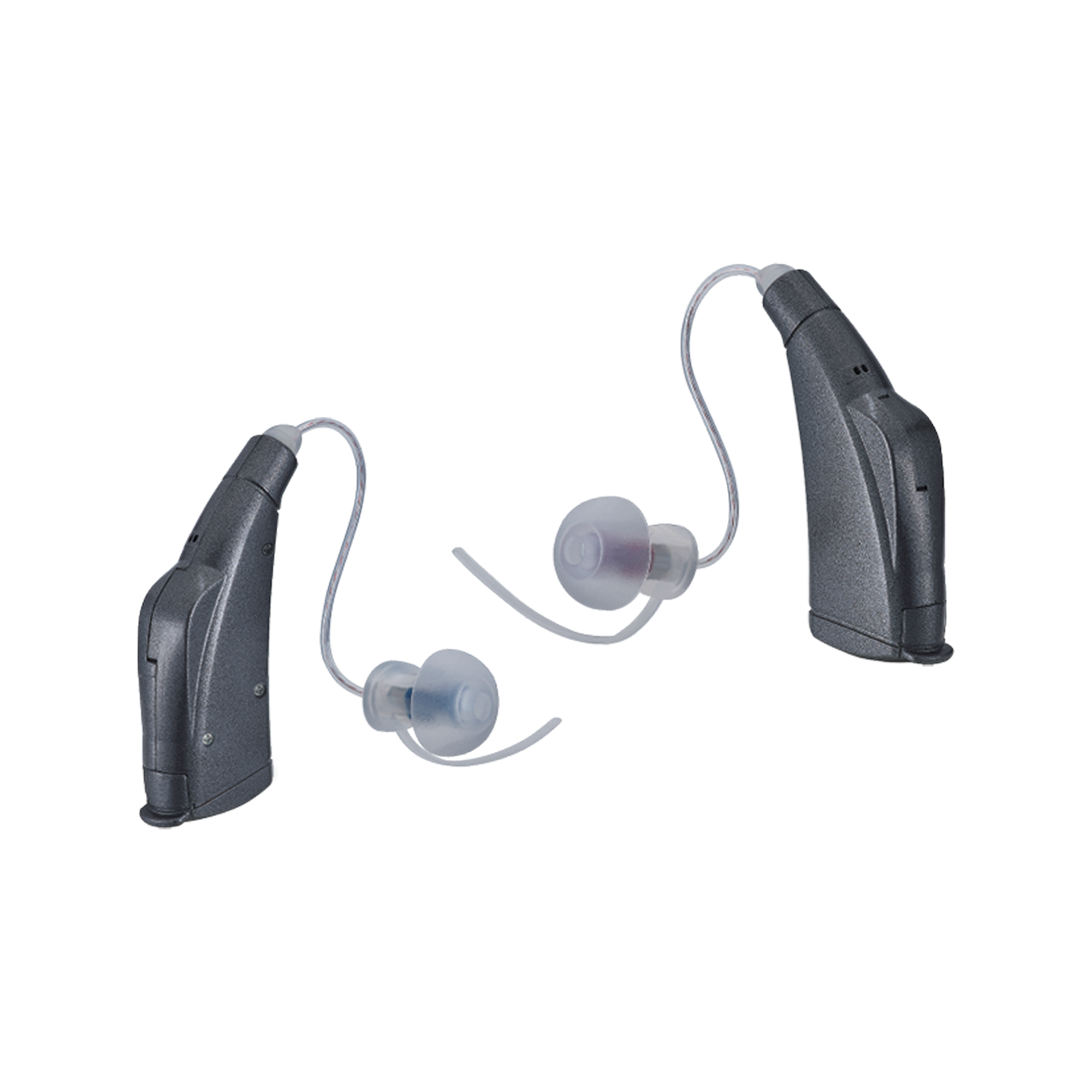
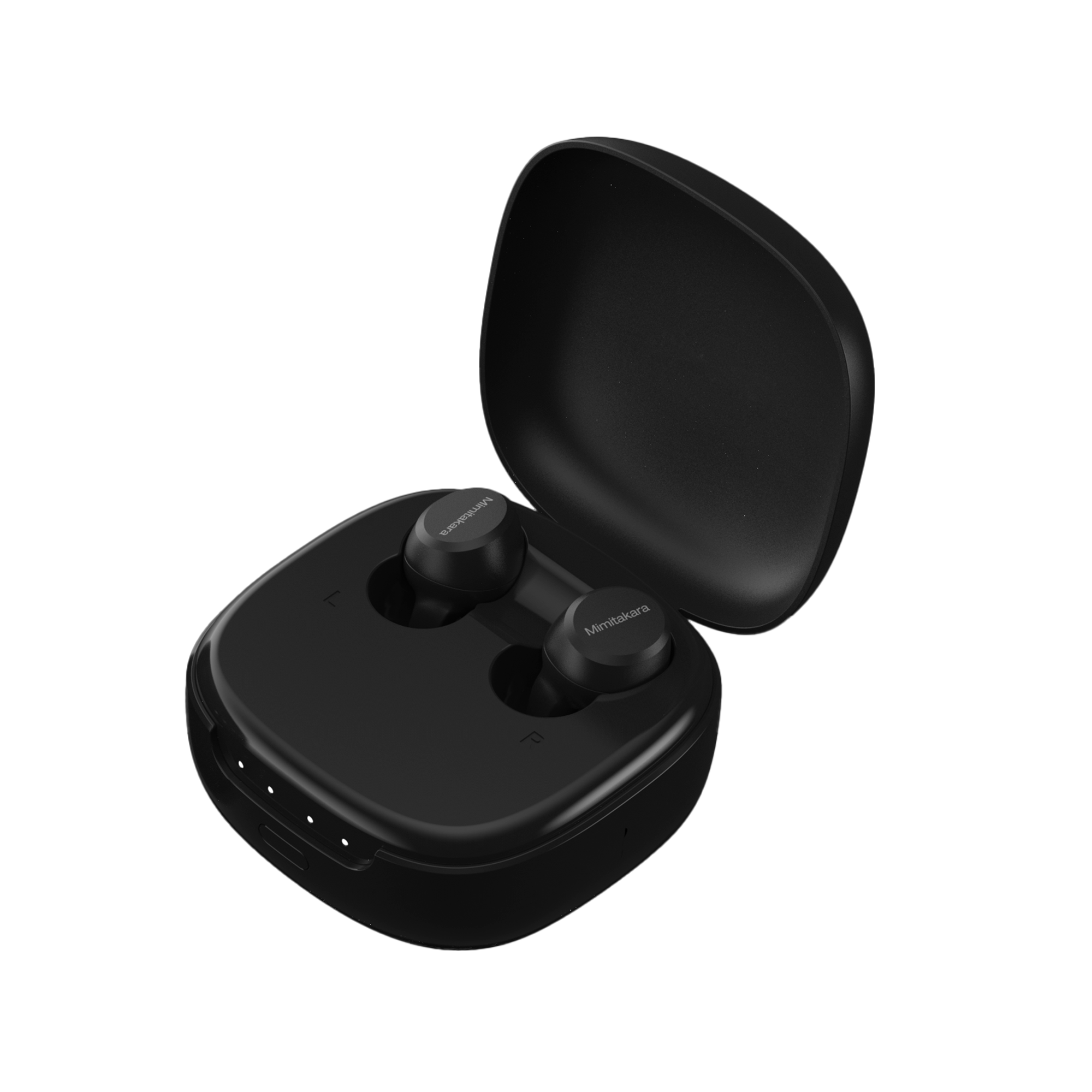
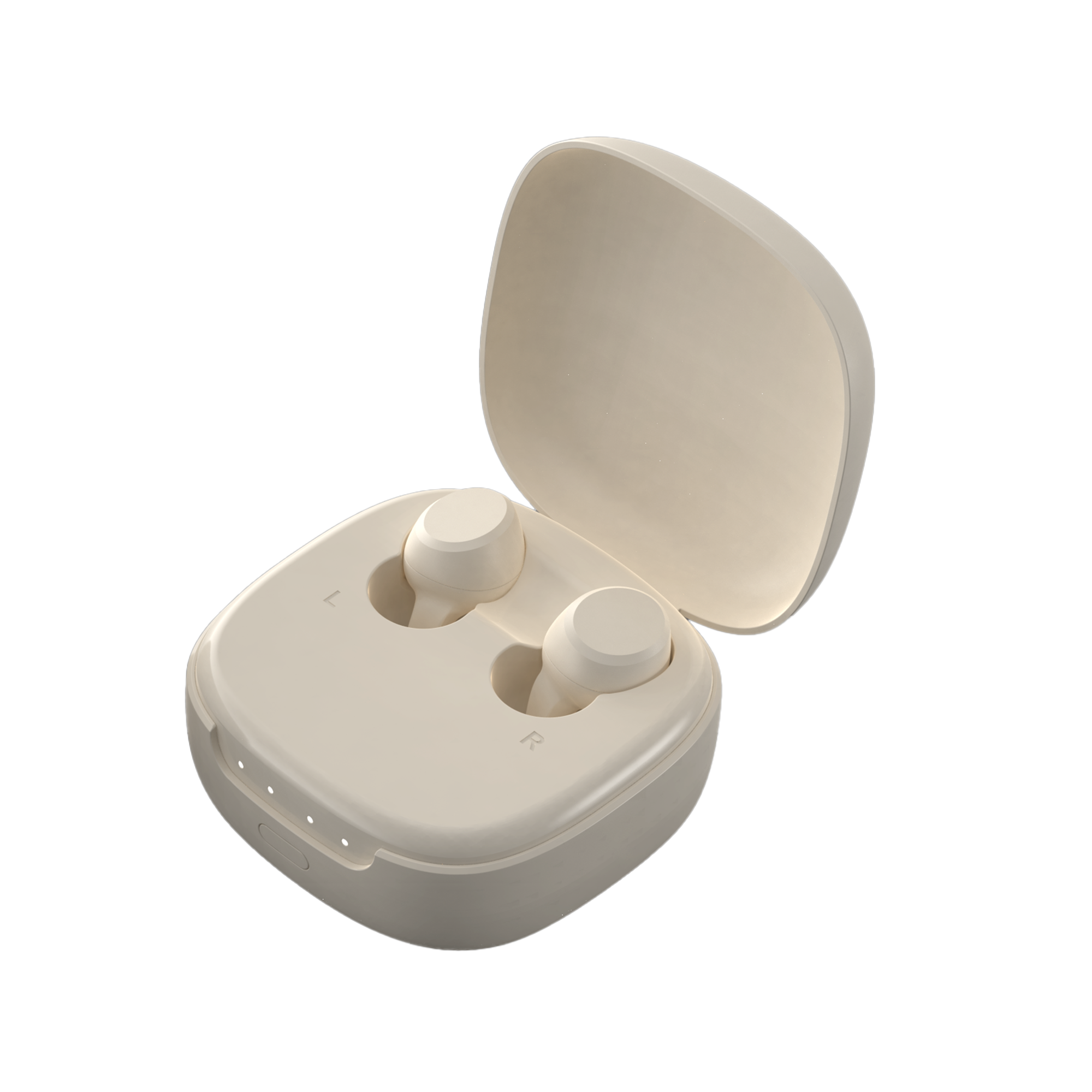
As Thanksgiving approaches, it’s a time to slow down, gather around the table, and relish in conversation—stories, laughter, memories, shared plates, and the warmth of being together. For many, the holiday revolves around the simple joy of hearing: the crackle of the fire, the murmur of loved ones, the clink of silverware, the rising chorus of “give thanks.” Yet for those with hearing challenges, this soundtrack of gratitude can sometimes feel muted.
That’s where bone-conduction hearing aids enter the scene—technology designed to restore clarity, open channels for meaningful interaction, and let you fully inhabit the moment. As you lift your glass this season, imagine raising a toast not only for turkey and pie, but for the gift of being truly present. Here’s how this technology works, why it matters for holiday gatherings, and how to choose the right solution so you can enjoy every conversation.
1. Why Clear Hearing Matters—Especially at Thanksgiving
Thanksgiving is more than a meal. It’s an orchestra of voices: relatives catching up, children recounting mischief, elders sharing wisdom, friends dropping in. It’s navigating one-on-one chats, group laughter, side conversations, ambient music, and background noise all at once.
When hearing becomes compromised—whether through age-related loss, middle ear issues, chronic infections, or single-sided deafness—the rich tapestry of sound can shrink. Words can become muffled. Voices might sound distant. You may find yourself nodding and smiling, but missing bits of the story. That loss can make you withdraw, opting out of that lively round of jokes or that heartfelt memory.
Being able to hear clearly means being engaged: you laugh at the punchline, you respond to the question, you don’t ask “What did you say?” five times. In a sense, you reclaim your seat at the table—not just physically, but in the flow of connection.
2. The Basics: How Bone Conduction Hearing Aids Work
Unlike traditional hearing aids that rely on the outer ear canal and the middle ear to transmit sound, bone conduction systems use a different route: vibration through the skull. Here’s the step-by-step:
-
The device captures sound via a microphone.
-
Sound is converted into mechanical vibrations.
-
These vibrations pass through the bones of the skull and stimulate the inner ear (cochlea), bypassing the outer and middle ear entirely.
-
The brain processes those vibrations as sound, allowing you to hear speech and ambient noise with less interference from outer-ear issues.
Because of this route, bone conduction aids are especially useful when the outer or middle ear is compromised: ear canal malformations, chronic infections, atresia, or single-sided deafness.
In plain terms: while others may still be waiting to detect subtle sounds, you’re “in the moment,” hearing the joke, the whisper, the toast.
3. Why They Can Be a Game-Changer for Holiday Conversations
Imagine this scenario: You’re seated at the head of the table, dear friends and family around you. The roast turkey is being carved. Someone says something quietly—perhaps a secret about the stuffing recipe. The buffet line hums. Music plays softly in the background. A toddler squeals. With conventional hearing loss, you might lean in, ask to repeat, or misinterpret a whispered remark. You may drift out of the conversation loop.
With bone conduction hearing aids, the advantages shine:
-
Clearer speech in noise: Because the device bypasses problematic ear structures, it can deliver speech clarity even in a noisy room.
-
Ear-canal free: The ear canal remains open, meaning less discomfort, fewer occlusion effects, and more comfort throughout hours of socializing.
-
Maintains awareness: Being able to hear ambient sounds means you’re aware of the entire table’s flow—not just the person directly in front of you.
-
Confidence and engagement: Hearing clearly means fewer “What did you say?” moments. That means more laughter, less frustration, more presence.
In short: you’re not just present at the table but fully participating in it.
4. Real-Life Tips for Making the Most of Your Hearing This Thanksgiving
To make your holiday hearing experience as rich as the dessert table, here are some smart tips:
-
Choose your seat wisely – Sit with your back to the noise (e.g., away from the TV or kitchen hustle) so you can focus on voices.
-
Minimize background noise – A little ambient reduction goes a long way. Soft music is okay, but try to keep the dishwasher or loud kitchen chatter from dominating.
-
Use directional listening – If your device allows it, orient your head toward the speaker. Bone conduction devices still benefit from good microphone positioning.
-
Microphone maintenance – Make sure your device’s microphone and transducer are clean and functioning. The holiday feast isn’t the time to discover a glitch.
-
Plan for duration – Thanksgiving gatherings can stretch. Check battery status ahead of time. Consider a short break if you feel fatigue—listening takes energy.
-
Don’t skip follow-up – If you notice parts of speech still fade away or you’re fatigued, mention it to your audiologist. Fine-tuning may help.
5. Common Misconceptions and What to Ask When Choosing a Bone Conduction Solution
Because bone conduction is less common than standard hearing aids, you may encounter questions or misunderstandings. Here’s how to navigate them:
Myth 1: “Bone conduction means I’ll hear everything perfectly.”
Reality: While bone conduction can dramatically improve access to speech for certain types of hearing loss, it is not a magic fix. It won’t restore normal hearing in every scenario. The benefit depends on the type and degree of hearing loss, how the device is fit, and how your brain adapts.
Myth 2: “It’s only for kids or unusual cases.”
Reality: Many adults benefit, especially if conventional aids aren’t working well due to middle ear issues or canal problems.
Key questions to ask:
-
Am I a candidate for a bone conduction device (vs. traditional aid)?
-
What type of system is best: adhesive/magnetic vs. implantable?
-
How will it perform in a typical social setting (like a busy dinner)?
-
What maintenance will it require? What are battery and usage expectations?
-
What is the cost/benefit in terms of improved conversation comfort?
6. Giving Thanks for Sound: The Emotional Benefit
Beyond the technical specs and fitting sessions, the true gift of clear hearing is emotional. Imagine:
-
Hearing a loved one say “I’m proud of you” without asking them to repeat.
-
Laughing at an old family joke you used to miss half of.
-
Feeling fully included when your niece tells her first school story.
-
Engaging in that side-conversation where the real heart of the gathering is shared.
When you can hear clearly, gratitude becomes more than a concept—it becomes a shared moment. You’re not just giving thanks for the food or the gathering; you’re giving thanks for connection itself. Being able to hear and be heard is a profound gift.
7. The Mimitakara Holiday Reminder
At Mimitakara, we believe hearing is a bridge—not only between sound and silence, but between hearts. This Thanksgiving, we encourage you to give thanks not only for the feast but for the gift of being present. If hearing challenges have been a silent barrier, investigate bone conduction options. Whether it’s yours for the season or as a future step, you are worth the investment.
Let this season be one where you don’t miss a word, don’t ask “what did you say?”, and don’t drift into the background. Instead, occupy your place, raise your voice, share your laughter, and give thanks.
8. Closing Thoughts
Hearing clearly makes life richer. It makes conversations fuller, laughter louder, and presence deeper. With the right technology—such as bone conduction hearing aids that bypass troublesome ear structures—you can reclaim the joy of connection.
This Thanksgiving, let your gratitude include not just what you hear but how you hear. Because every apology to ask someone to repeat themselves takes away a little of that joy. Every missed punchline yields a faint echo of frustration. But when you hear clearly—when voices rise and stories flow—you’re not just at the table—you’re in it.
Here’s to clear sound, shared stories, and thanks for every moment. May your holiday be full of warmth, laughter, and the simple pleasure of being heard—and hearing everything around you.